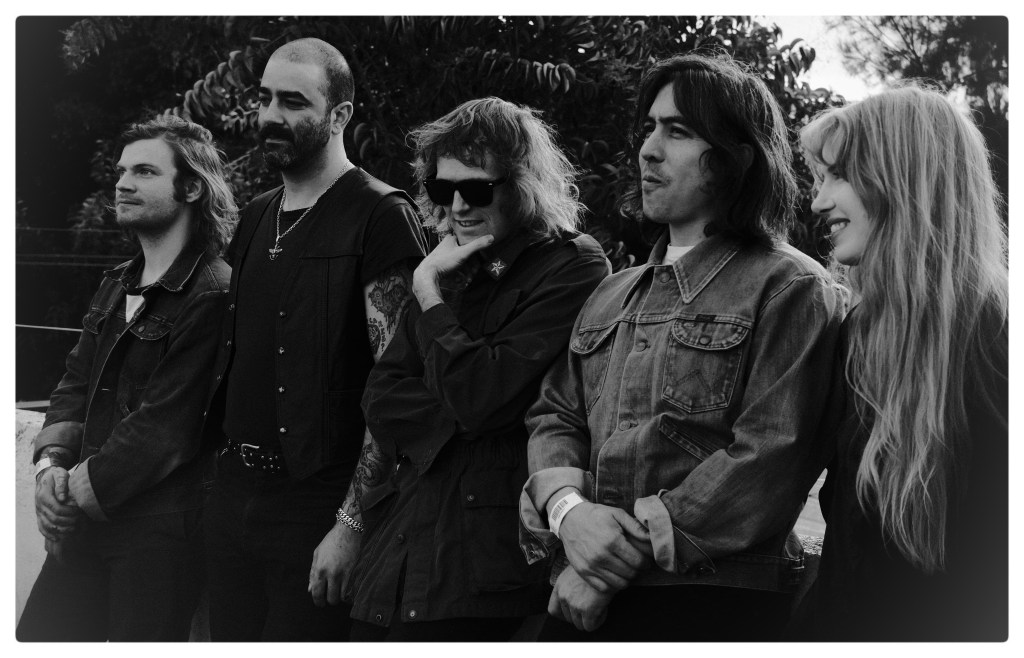
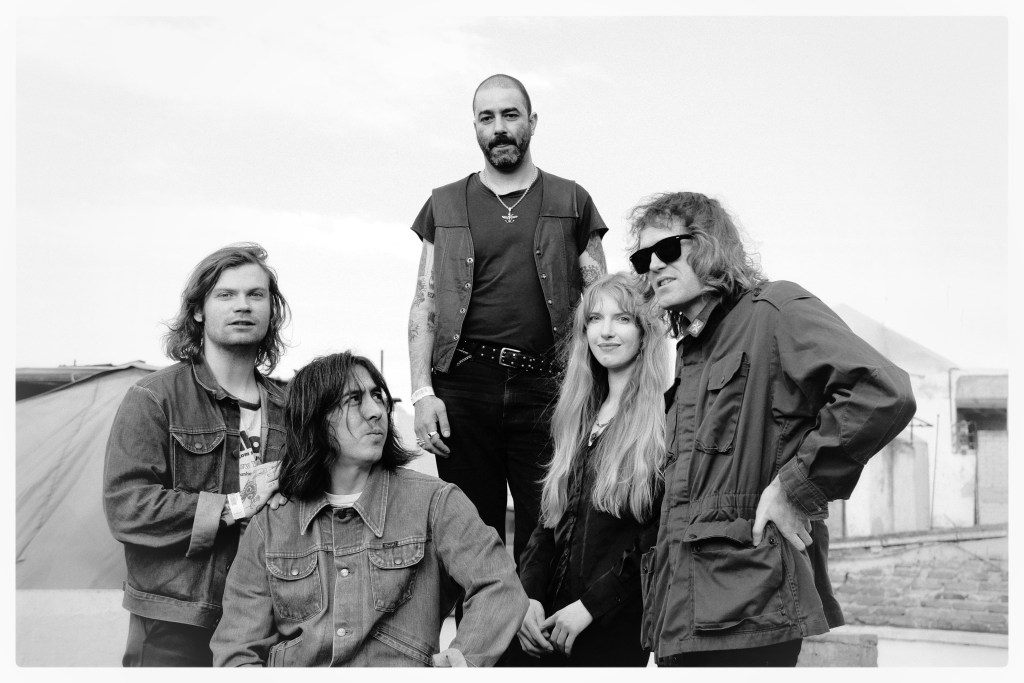
We spoke with Mike Brandon of The Mystery Lights about 1960s influence, minimal recording, and the turning points that moved the band from house parties to the road. Known for their raw sound and high-energy shows, the band keeps garage rock immediate and alive.
Your music carries a strong 1960s psychedelic and garage spirit. What about that era continues to inspire you?
I think it’s the sound, the creativity, and the way music was recorded back then. Recording was very minimal, sometimes it feels like they just put one microphone in the middle of the room and everyone played around it.
People were extremely creative because they didn’t have the 60s to look back on. They were inventing their own version of what they were hearing, whether it was Billie Holiday or old blues records. It was raw, energetic music. That garage sound.
Which artists from that period had the biggest impact on you?
The Monks, for sure. Early on it was a lot of The Yardbirds and The Who. Van Morrison and Them were big influences too. And lyrically, Bob Dylan, of course. That kind of stuff.
What do you think that era had that the current music scene is missing?
I feel like a lot of modern garage psych bands drown in reverb and delays. And a lot of the old 60s bands that people love didn’t really do that.
A lot of the fuzz guitar was actually pretty clean, and the vocals were clean too. I think going back to the basics is important. Simplicity is very difficult, coming up with something unique but simple isn’t easy.
Garage music is supposed to be simple, but a lot of people get really complex and complicated with it.
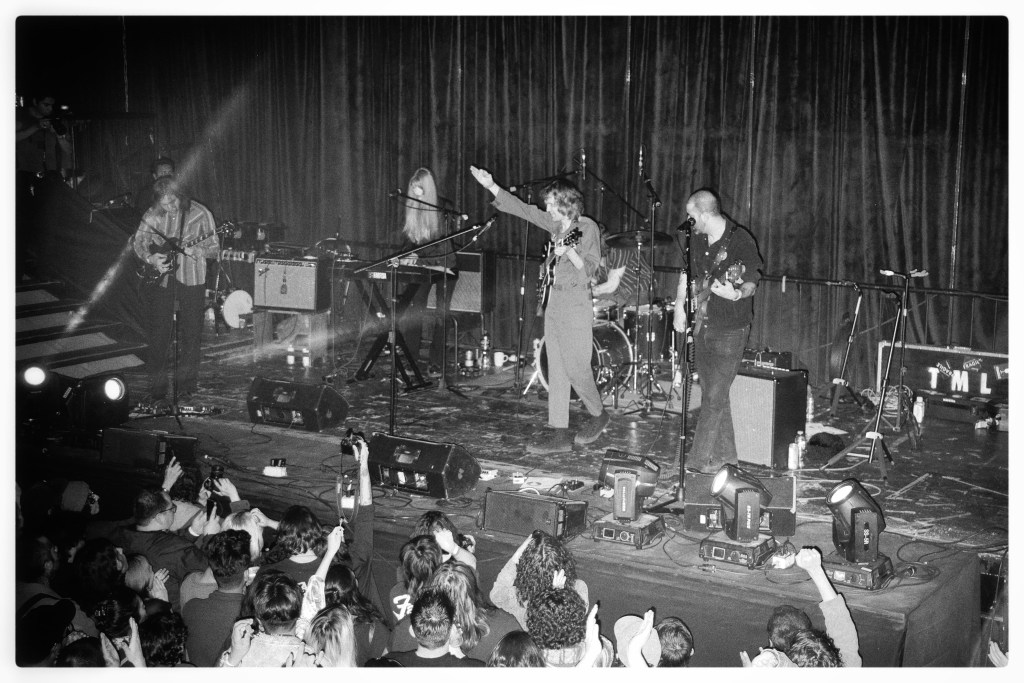
Do you remember the moment when The Mystery Lights started to feel real, like more than just a project?
Yeah, definitely. I’ve been playing with Luis, the guitar player, since we were teenagers. We’d had The Mystery Lights for about ten years before that. In 2016, for the first time, the Daptone crew walked into one of our shows and asked if we wanted to be one of the first releases on their rock and roll psych subsidiary. That was the moment where we were like, “Okay, let’s make a record and tour for real.”
Before that, we were just a party band. We played house parties, on the floor, restaurants, whatever.
That same day, everything fell into place. We got a label and an agent within five minutes of each other. The label wanted to talk about doing a record, and right after them, an agent came up and said, “Let’s talk about booking a tour.” That was the moment it became real.
Early on, did you imagine what the band might turn into?
Not really. I didn’t imagine it becoming anything. I had no vision for it. I was just having fun writing scuzzy psych songs that I liked listening to. I was kind of doing it for myself and playing them at parties.
But when you do something for yourself, you’re also doing it for other people. If you really love what you’re doing, there’s bound to be at least one person who likes it.
What do you want people to feel when they see you live?
I want them to have fun. I want them to feel energized and inspired, to some degree.
We do this to have fun ourselves. We’re not trying to show off. We’re just playing and hoping people sing along, dance, or do whatever they want.
People can shout out songs too. If we know how to play it, we’ll play it.
What’s the most memorable moment you’ve had on stage?
I always tell this story: once I ripped my guitar off at the end of a show and it sliced my face open. I was kind of waving goodbye to the crowd, and everyone was looking at me with this shocked face. Apparently I was gushing blood, and they rushed me to the hospital and glued my face shut. That was definitely memorable.
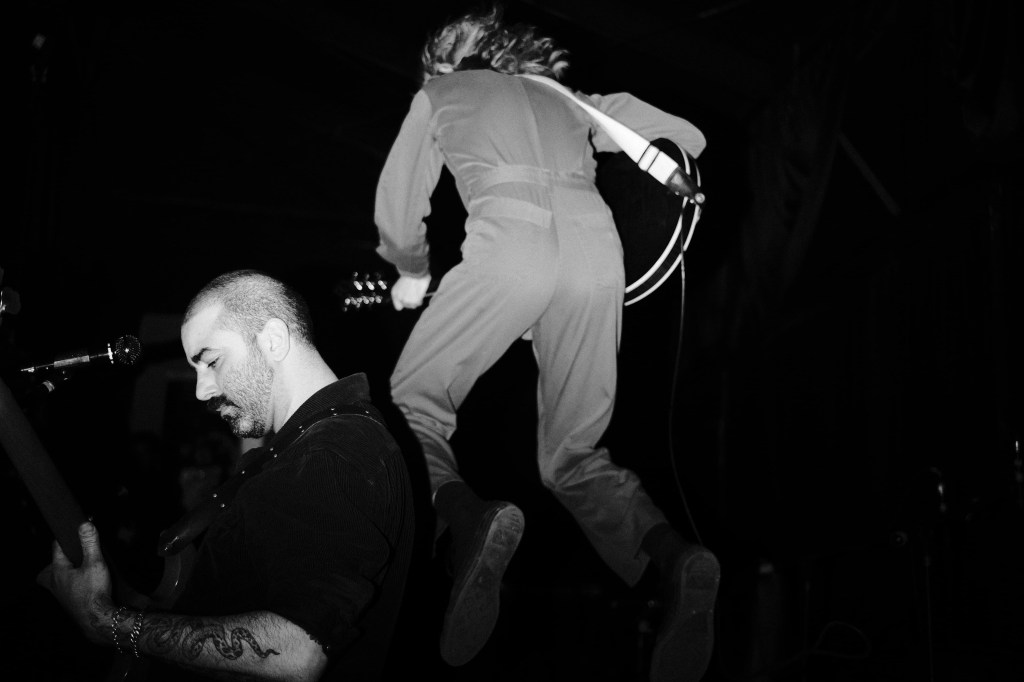
I’ve also played in front of people I really love and respect. There was a show where Anika Henderson from Exploded View was there. I jumped off my amp, turned around while I was in the air, and saw her watching. There’s a photo of it, me in the air, her below. We later met and became friends, which was really cool
What advice would you give to someone who wants to start making music today?
Just do it. Pick it up and start.
Don’t get discouraged if you think you “suck,” because I don’t think that’s really a thing. Some of my favorite musicians don’t really know how to play their instruments in a traditional way. Daniel Johnston, for example. Or Dylan, not a perfect singer, but there’s something raw and real there.
Look at bands like The Shaggs in the 60s. They were always out of tune and barely knew how to play, and they’re an amazing band.
Artistic expression should come from anyone, in any form. I don’t know how to draw, but that shouldn’t stop me from drawing if I want to. Don’t let the negativity in your head stop you, you might be robbing the world of something it could really enjoy.
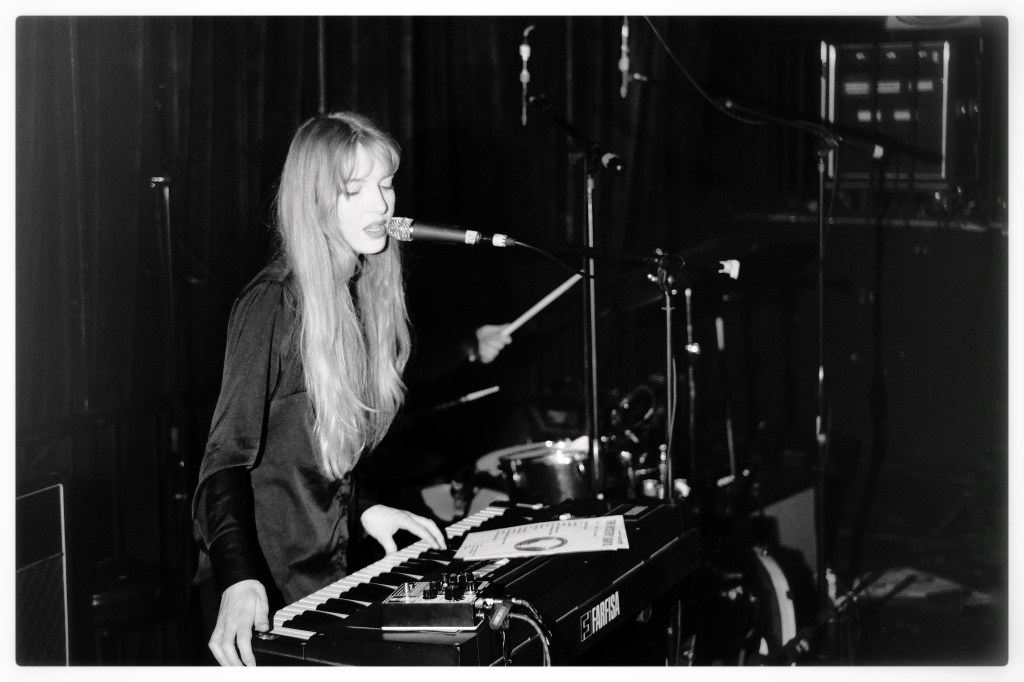
If someone is hearing The Mystery Lights for the first time, which song should they start with?
I usually say “Follow Me Home.” I feel like it’s everything I want The Mystery Lights to be.
It’s bluesy, it’s got fuzz, a clean blues riff, bouncy bass, kind of a hip-hop backbeat, hard-hitting drums, backing vocals, and reverse guitar. There’s a lot going on, but it feels fun to play and listen to.
Is there an artist or record that completely changed the way you listen to music?
The Monks.
We did a Monks cover set for Halloween a few years ago and thought it would be easy because it sounds simple. But when we started playing it, we realized how minimal it really is.
The counts aren’t what you expect. When you expect a change, it doesn’t happen—and when you don’t expect it, it does. The drummer barely hits the cymbals, there’s hardly any guitar, and it’s mostly feedback. They really showed me how much you can do with very little. It’s about energy and sound more than anything else.
To close, what does music mean to you?
It’s everything. When I read a book, I read it melodically. When I talk, it feels musical. I’m constantly humming melodies in my head.
Even if I never listened to music again for the rest of my life, I’d still hear music in my head.
Credits
Photography: @christ.stovsky
 Cosmic Soul Music